
"frost and coffee"
5000 article(s) found

Introduction of Bolivian coffee planting areas planted at an altitude of 180,670 meters above sea level
In the past, coffee trees in Bolivia used to act as hedges and ornaments around the garden. Real commercial production began in the early 1950s. The great frost of 1957 seriously damaged Brazil's coffee industry, while Bolivia (Bolivia) benefited from it and developed rapidly. Bolivian coffee is grown at an altitude of 180,670 meters above sea level, including Allah.

Pagabana Manor Bolivian Coffee from Lake Titicaca American boutique coffee
The advantage of Bolivian coffee lies in its high altitude and excellent varieties of coffee, where the traditional Tibica and a small amount of Kaddura are highly valued in the world market. In the past, coffee trees in Bolivia used to act as hedges and ornaments around the garden. Real commercial production began in the early 1950s. The great frost in 1957 seriously damaged Pakistan.

Boutique single Coffee Lake Titicaca in Bolivia tapping Pagabana small Farmer's Iron Card cooked beans
The advantage of Bolivian coffee lies in its high altitude and excellent varieties of coffee, where the traditional Tibica and a small amount of Kaddura are highly valued in the world market. In the past, coffee trees in Bolivia used to act as hedges and ornaments around the garden. Real commercial production began in the early 1950s. The great frost in 1957 seriously damaged Pakistan.

South African coffee beans with fragrant taste and less acidity
It is fragrant with less acidity, reminiscent of coffee beans from Central America. Coffee production in South Africa (South Africa) is mainly in the northeast of the country, from Natal between Transvaal and Mozambique, extending northward to Transvaal, with the southernmost limit of latitude 30 south; further south, coffee cannot be grown due to the harm of early frost.

Bolivia's coffee production Metro Bica varieties of American boutique coffee beans in Lake Tata
Bolivian coffee market: coffee grown in Bolivia, in which Arabic washed coffee beans are exported to Germany and Sweden, is not the best taste today, and with a bit of bitterness. In the past, Bolivian coffee trees used to act as hedges around gardens and decorate flowers and trees. Real commercial production began in the early 1950s. The great frost of 1975 was severe.
South African coffee beans with fragrant flavor and low acidity in the country of origin.
It is fragrant with less acidity, reminiscent of coffee beans from Central America. Coffee production in South Africa (South Africa) is mainly in the northeast of the country, from Natal between Transvaal and Mozambique, extending northward to Transvaal, with the southernmost limit of latitude 30 south; further south, coffee cannot be grown due to the harm of early frost.

South African coffee tastes fragrant and has less acidity
It is fragrant with less acidity, reminiscent of coffee beans from Central America. Coffee production in South Africa (South Africa) is mainly in the northeast of the country, from Natal between Transvaal and Mozambique, extending northward to Transvaal, with the southernmost limit of latitude 30 south; further south, coffee cannot be grown due to the harm of early frost.

Coffee from South Africa tastes fragrant and has less acidity.
It is fragrant with less acidity, reminiscent of coffee beans from Central America. Coffee production in South Africa (South Africa) is mainly in the northeast of the country, from Natal between Transvaal and Mozambique, extending northward to Transvaal, with the southernmost limit of latitude 30 south; further south, coffee cannot be grown due to the harm of early frost.

Coffee small farmers in Lake Titicaca, Bolivia
The advantage of Bolivian coffee lies in its high altitude and excellent varieties of coffee, where the traditional Tibica and a small amount of Kaddura are highly valued in the world market. In the past, coffee trees in Bolivia used to act as hedges and ornaments around the garden. Real commercial production began in the early 1950s. The great frost in 1957 seriously damaged Pakistan.

South African coffee beans in Africa have the characteristics of fragrant flavor and low acidity.
South Africa is fragrant with less acidity, reminiscent of Central American coffee beans. Coffee production in South Africa (South Africa) is mainly in the northeast of the country, from Natal between Transvaal and Mozambique, extending northward to Transvaal, with a southernmost limit of latitude 30; further south, it cannot be planted due to the harm of early frost.

Boutique single Coffee Lake Titicaca in Bolivia tapping Pagabana small farmers wash iron pickup truck
The advantage of Bolivian coffee lies in its high altitude and excellent varieties of coffee, where the traditional Tibica and a small amount of Kaddura are highly valued in the world market. In the past, coffee trees in Bolivia used to act as hedges and ornaments around the garden. Real commercial production began in the early 1950s. The great frost in 1957 seriously damaged Pakistan.

Guatemala-Antigua producing area Flower God Ekatran Valley Coffee acidity is obviously dry, wet and fragrant
AcatenangoValleycupprofile: obvious acidity, dry and wet aroma, pleasant, mellow thickness, clear and long aftertaste. [note] Frag/Aroma: aroma / aroma Flavor: flavor Acidity: acidity Balance: balance Body: alcohol thickness Aftertaste: aftertaste (aftertaste) Overall: overall (impression) 2. Antioch
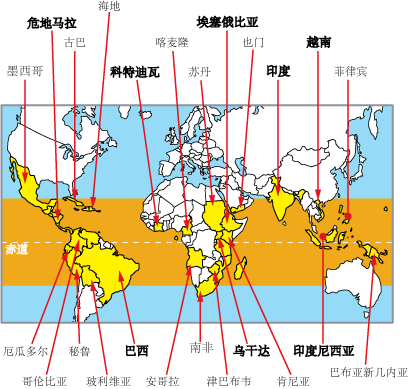
Coffee producing area 53 coffee producing areas worldwide Bolivian coffee producing area Bolivia coffee
Bolivia from serving as a garden hedge to coffee grown exclusively on a manor. In the past, Bolivian coffee trees used to act as hedges around the garden, decorating flowers and trees. Real commercial production began in the early 1950s. The coffee industry in Brazil was badly damaged by the great frost in 1957, while Bolivia (Bolivia) benefited and developed rapidly. Glass
Coffee producing area Coffee introduction Bolivian Coffee
In the past, coffee trees in Bolivia used to act as hedges and ornaments around the garden. Real commercial production began in the early 1950s. The great frost of 1957 seriously damaged Brazil's coffee industry, while Bolivia (Bolivia) benefited from it and developed rapidly. Bolivian coffee is grown at an altitude of 180,670 meters above sea level, including Allah.

Guatemala boutique coffee producing area introduces Wei Wei coffee beans in Mini Nanguo Highland Coffee Manor.
Of the three major non-volcanic coffee-producing regions in Guatemala, the Weitango Highlands has the driest climate and the highest elevation. The dry and hot wind from Mexico's Tehuantepec plateau protects the coffee from frost and can be grown to 2000 meters (6500 feet). Because of its remote location, all coffee farmers have to process their own coffee, but fortunately there are no streams in the area.

Bolivian coffee boutique coffee black coffee
Coffee trees that go to Bolivia are often planted around the garden as hedges, decorating flowers and trees. Real commercial production began in the early 1950s. The coffee industry in Brazil was badly damaged by the great frost in 1957, while Bolivia (Bolivia) benefited and developed rapidly. Bolivian coffee is grown at an altitude of 180,670 meters above sea level.

Guatemala Cannon Coffee introduction is Guatemala Canon Coffee good?
Professional coffee knowledge exchange more information about coffee beans please follow Coffee Workshop (Wechat official account cafe_style) Guatemala La Canoa, Honey in the three non-volcanic areas, Huehuetenango is the highest and driest coffee producing area. Thanks to the dry, hot wind blowing from the Trent Peck Plain in Mexico, the region is protected from frost. These high elevations and relative predictability
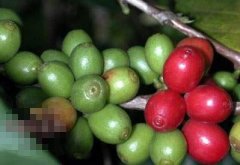
Three native species of coffee
There are about 40 species of coffee, but only one of them can produce coffee beans of commercial value. Arabica, Robusta and Liberia are called the "three native species of coffee".
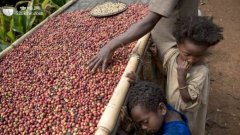
World boutique coffee producing area Bolivian coffee beans
In the past, coffee trees in Bolivia used to act as hedges and ornaments around the garden. Real commercial production began in the early 1950s. The great frost of 1957 seriously damaged Brazil's coffee industry, while Bolivia (Bolivia) benefited from it and developed rapidly. Bolivian coffee is grown at an altitude of 180,670 meters above sea level, including Allah.
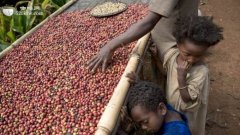
Boutique coffee beans knowledge coffee producing area Bolivia
In the past, coffee trees in Bolivia used to act as hedges and ornaments around the garden. Real commercial production began in the early 1950s. The great frost of 1957 seriously damaged Brazil's coffee industry, while Bolivia (Bolivia) benefited from it and developed rapidly. Bolivian coffee is grown at an altitude of 180,670 meters above sea level, including Allah.